
Provide free formal education.
- Establish community learning centers where children aged 3 to 12 can access quality education without financial barriers.
- Develop age-appropriate curricula that foster creativity, critical thinking, and practical skills.
- Collaborate with local schools and educators to ensure alignment with national educational standards.

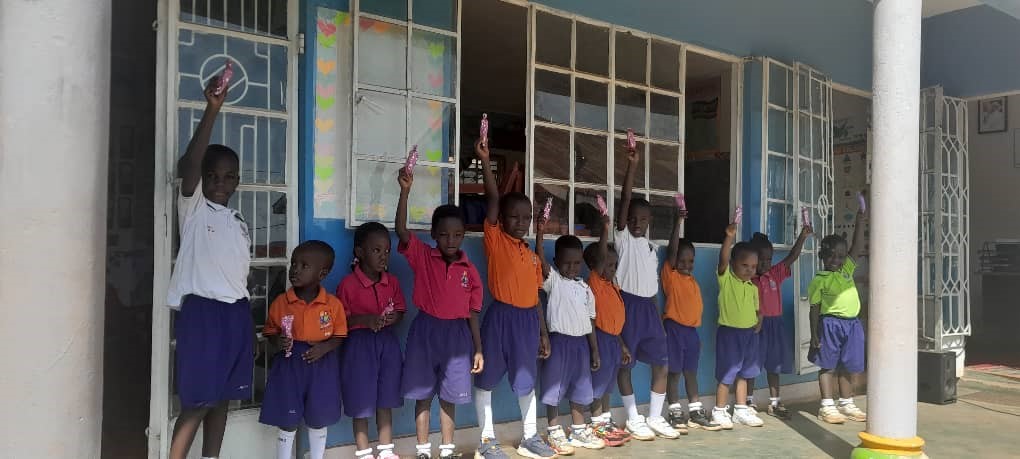
Provide free Vocational Training.
- Offer vocational training programs for older children (ages 10 to 12) to equip them with practical skills.
- Focus on trades relevant to the community, such as carpentry, tailoring, or agricultural techniques.
- Empower to become self-reliant and contribute to their families’ income.
Provide spiritual training.
- Organize regular sessions on values, ethics, and character development.
- Foster a sense of purpose, empathy, and compassion among young learners..
- Collaborate with local religious leaders to integrate spiritual teachings into the curriculum.

Provide scholastic materials.
- Ensure every child has access to textbooks, stationery, and learning materials
- Organize book drives and donation programs within the community.
Meet nutrition needs.
- Address malnutrition by providing nutritious meals or snacks during educational sessions.
- Collaborate with local farmers and food suppliers to source fresh, locally produced food.


Advocate against child labour
- Raise awareness about child labor’s harmful effects on physical and mental development.
- Collaborate with local authorities to enforce child labor laws and protect vulnerable children
- Organize awareness campaigns, workshops, and community dialogues.
Source for funding
- Develop a comprehensive fundraising strategy, including grants, donations, and corporate sponsorships.
- Engage with philanthropic organizations, businesses, and individual donors who share our vision.
- Explore crowdfunding campaigns and community events to raise awareness and funds.

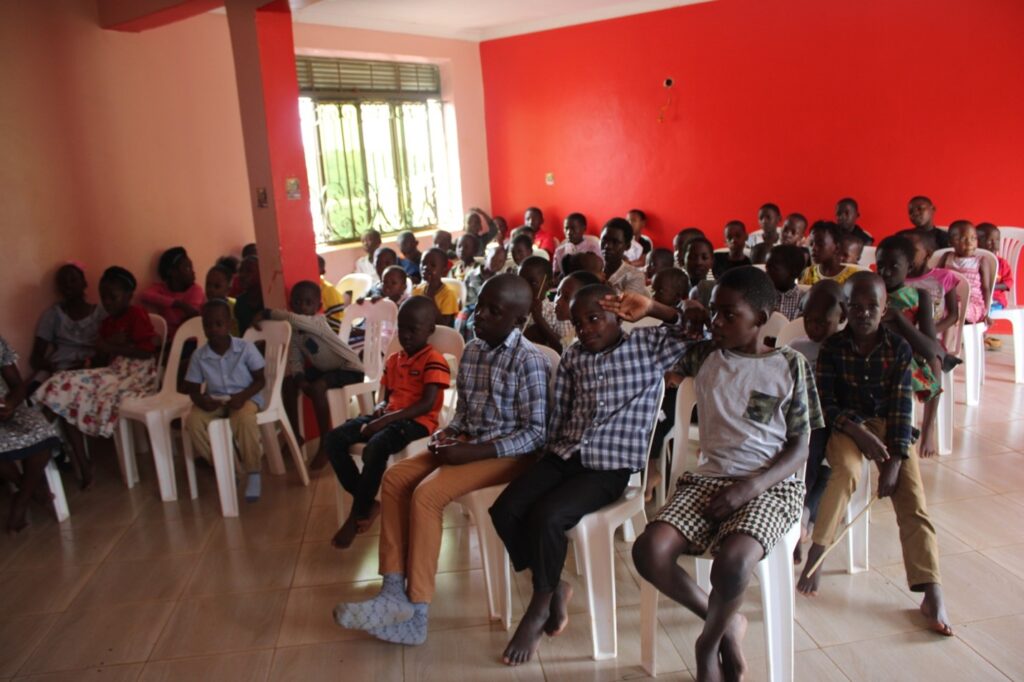
Partner with organizations
- Forge partnerships with government agencies, and community-based organizations.
- Leverage their expertise, resources, and networks to enhance program effectiveness.
- Collaborate on joint initiatives, workshops, and capacity-building activities.